Tethered vs Untethered EV Chargers: Which Suits Your Home?
Table of Contents
What Are Tethered and Untethered EV Chargers?
Key Differences Between Tethered and Untethered Chargers
Best Smart Home EV Charging Systems: Tethered Options
Best Smart Home EV Charging Systems: Untethered Options
Type 2 Charging Cable Length Guide for Home Installations
EV Charger Installation Requirements: What You Need to Know
Which Type Should You Choose for Your Home?
Frequently Asked Questions
Last Updated: October 1, 2026
What Are Tethered and Untethered EV Chargers?
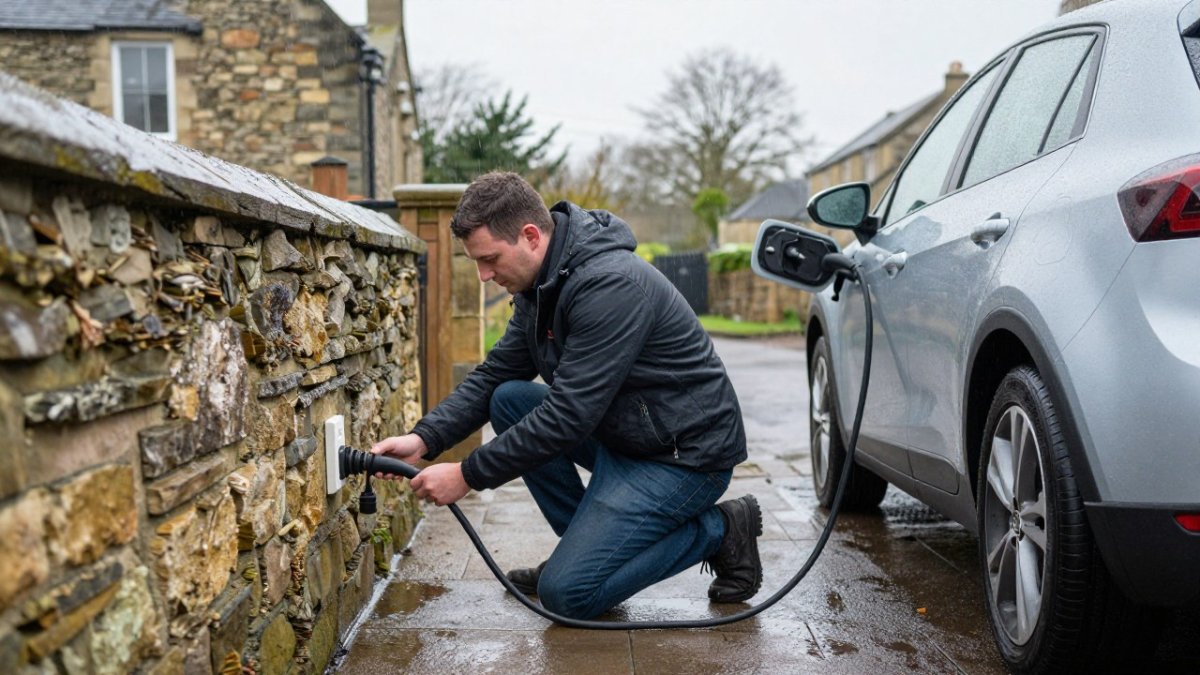
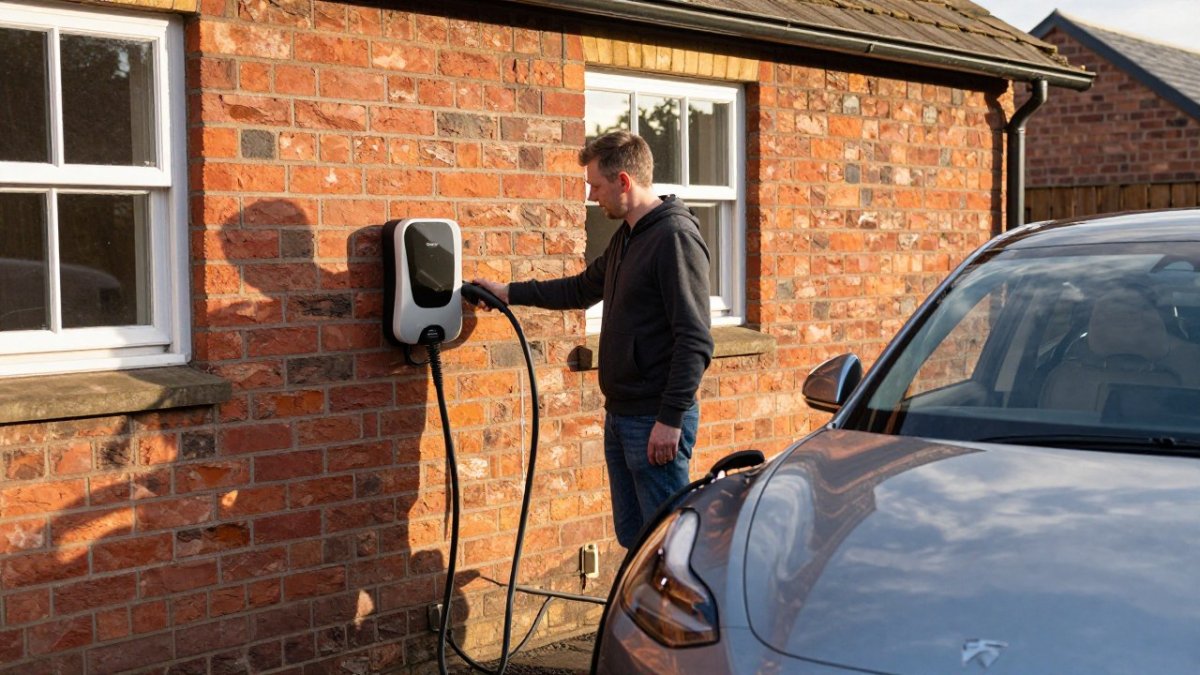
Understanding the difference between tethered and untethered EV chargers is essential when planning your home charging infrastructure. A tethered EV charger is a wall-mounted unit with a permanently attached charging cable, typically 5-7 metres in length. The cable cannot be removed or replaced, making the charger a fixed installation. An untethered EV charger (sometimes called a socketed charger) has no built-in cable, instead, it features a universal socket where you plug in your own separate charging cable, giving you flexibility to choose cable length and type.
The choice between these two configurations affects convenience, flexibility, and how you'll manage daily charging at home. Tethered chargers offer simplicity: you walk out to your vehicle, plug in, and charge. Untethered chargers demand more planning because you need to purchase and store a compatible cable separately, but they allow you to customise your setup based on where your vehicle parks relative to the charger location.
Both types can be smart-enabled, meaning they integrate with your home's energy management system and allow remote monitoring via smartphone apps. The fundamental difference lies in cable management and user flexibility, not charging speed or safety, both deliver the same power output when properly installed.
Key Differences Between Tethered and Untethered Chargers
The most obvious distinction is cable handling. Tethered chargers eliminate the need to manage a separate cable; it's always there, ready to use. This simplicity appeals to homeowners who prioritise convenience and don't want to think about cable storage or compatibility. Untethered chargers require you to own and maintain a separate cable, but they're considerably more flexible if your parking arrangements change or if you need different cable lengths for different situations.

Cost considerations vary. Tethered chargers typically have a higher upfront price because the cable is integrated into the unit. Untethered chargers are often cheaper initially, but you'll need to budget separately for a quality charging cable, usually a Type 2 cable for home installations in the UK. Over time, the total investment may be similar, but the payment structure differs.
Installation flexibility also separates them. With a tethered charger, the fixed cable length determines where your vehicle must park. If your driveway layout changes or you want flexibility in parking positions, this becomes a limitation. Untethered chargers allow you to adjust cable length without reinstalling the charger itself, making them ideal for households with multiple vehicles or those planning future changes to their driveway setup.
Durability and wear differ slightly. Tethered cables experience constant exposure to weather and UV light since they're permanently attached. Untethered cables can be stored indoors when not in use, potentially extending their lifespan. However, quality matters more than configuration, a well-made tethered cable lasts just as long as a quality untethered cable if properly maintained.
Best Smart Home EV Charging Systems: Tethered Options
Myenergi Zappi stands out as a premium tethered charger designed for homeowners who want intelligent energy management alongside convenient charging. It features a 6.5-metre permanently attached cable and includes dynamic load balancing, which prevents your household fuse from tripping when the charger draws power. The real value lies in its solar integration capability, if you have rooftop solar panels, the Zappi can divert excess solar generation directly to your vehicle, minimising grid electricity consumption.
The smartphone app provides real-time monitoring and scheduling flexibility. You can set charging windows to match off-peak electricity rates, reducing your energy costs. The tethered cable removes friction from daily use; you simply plug in without managing a separate lead. For eco-conscious homeowners with solar installations, this charger delivers measurable environmental benefits.
Wallbox Pulsar Max offers tethered convenience with smart home integration. It supports voice control via Amazon Alexa and Google Assistant, allowing you to start or stop charging through voice commands. The halo light indicator on the unit provides instant visual feedback on charging status, useful if you're checking from inside the house. The tethered Type 2 cable is fixed at installation, so cable length is determined upfront during the planning phase.
This charger excels for households already invested in smart home ecosystems. The app interface is intuitive, and scheduled charging helps align charging with cheaper electricity tariffs. If you value seamless integration with existing smart home devices, this option reduces the number of separate apps you need to manage.
Best Smart Home EV Charging Systems: Untethered Options
Easee One represents the minimalist approach to untethered charging. This compact, wall-mounted unit features a sleek Scandinavian design that looks more like a piece of modern art than industrial equipment. Being untethered, it requires a separate Type 2 cable purchase, but this flexibility means you can choose cable length based on your driveway layout. The charger itself is remarkably small, roughly the size of a large book, making it ideal for properties where aesthetics matter.
The integrated RCD (residual current device) protection ensures safety, and 4G/Wi-Fi connectivity allows remote updates and monitoring. The app provides detailed charging history and energy insights. For homeowners prioritising visual discretion and flexibility, Easee One delivers both without compromise.
Ohme ePod focuses on cost optimisation through intelligent scheduling. This untethered charger integrates directly with energy tariffs, automatically scheduling charging during the cheapest hours. An LCD screen on the unit displays real-time charging data, so you don't need to check your phone constantly. The untethered design means you select your own cable, allowing customisation based on parking distance.
Ohme's strength lies in automation. Once configured, the charger learns your driving patterns and schedules charging to minimise electricity costs. For budget-conscious EV owners, this intelligent approach can deliver measurable savings over time. The downside: only available as an untethered unit, so cable purchase and storage fall to you.
Type 2 Charging Cable Length Guide for Home Installations
Selecting the correct cable length is critical for untethered charger installations. Most UK homes use Type 2 connectors, the standard for AC charging across Europe. Cable length should match the distance between your charger location and typical vehicle parking position.
For driveways where the charger mounts directly above the parking spot, a 4-5 metre cable suffices. If your vehicle parks 6-8 metres away (common in longer driveways), a 7-10 metre cable becomes necessary. Oversizing slightly provides flexibility, a 10-metre cable works even if your actual need is 7 metres, whereas undersizing creates frustration and safety risks (stretched cables can overheat).
Cable quality matters as much as length. Cheaper cables may have thinner conductors, reducing efficiency and generating heat during charging. Invest in cables rated for outdoor use with strong connectors and weather-resistant jackets. A quality 7-metre Type 2 cable from a reputable manufacturer ensures reliable charging for years.
Storage and management of untethered cables requires planning. Wall-mounted cable reels or storage boxes keep leads organised and protected from UV damage when not in use. This maintenance responsibility is the trade-off for untethered flexibility.
EV Charger Installation Requirements: What You Need to Know
Installation standards in the UK are governed by Building Regulations and the IET Wiring Regulations (BS 7671). Your charger must be installed by a qualified electrician who understands EV charging infrastructure. This isn't a DIY job, improper installation risks electrical hazards and voids insurance.
Most homes require an electrical assessment before installation. Your existing consumer unit (fuse box) must have sufficient capacity to supply the charger without overload. If your house has an older electrical installation, an upgrade may be necessary. A qualified electrician will evaluate your setup and advise whether additional work is needed.
Cable routing also matters. Chargers are typically mounted on an external wall near the parking area. The electrical supply cable runs from your consumer unit to the charger location, either through walls or along external routes. Professional installers ensure cables are properly protected, positioned safely, and compliant with Building Regulations.
Yorks Ev specialises in domestic EV charger installation, with highly qualified, time-served electricians who understand Yorkshire properties and their specific requirements. Installations are completed within 14 days, with no travelling charges across Yorkshire. The standard package includes all materials, labour, and VAT, no hidden costs for rewiring or upgrades beyond the quoted scope.
Which Type Should You Choose for Your Home?
When selecting between tethered and untethered EV chargers, choose a tethered charger if convenience is your priority and your parking arrangement is stable. The permanently attached cable means no cable management, no separate purchase, and no compatibility worries. Tethered units work brilliantly for households with a fixed parking spot and a straightforward driveway layout. If your vehicle always parks in the same position relative to the charger, the cable length is set during installation and never needs adjustment.
Choose an untethered charger if you value flexibility or anticipate changes to your parking setup.
Frequently Asked Questions
Is a tethered or untethered charger better for home use?
Neither is universally better, it depends on your situation. Tethered chargers offer convenience and cable protection, making them ideal if you want everything integrated and your vehicle parks consistently in one spot. Untethered chargers suit homes where multiple vehicles charge at different locations or where you prefer flexibility in cable management. Consider your driveway layout, the number of vehicles using the charger, and whether you value simplicity or adaptability.
Do I need to buy a separate cable for an untethered EV charger?
Yes, untethered chargers require you to purchase a separate charging cable. This is an additional cost and responsibility, but it gives you control over cable length and quality. You can choose a Type 2 cable suited to your vehicle and driveway layout. Some untethered chargers come with cable guidance, but you'll need to source the cable separately and store it safely when not in use.
What are the main pros and cons of tethered EV chargers?
Tethered chargers offer convenience, the cable is always attached and ready, and protection from weather and damage. They're simpler to use, especially for household members unfamiliar with charging. The drawback is that the cable length is fixed at installation, which can be inconvenient if your vehicle parks at different distances. Tethered cables are also more vulnerable to damage from vehicles or weather over time, and replacement can be costly.
Which EV charger type is more future-proof?
Untethered chargers are generally more future-proof. They allow you to upgrade or change your charging cable independently of the charger unit, accommodating new cable standards or vehicle types without replacing the entire installation. Tethered chargers lock you into a fixed cable type and length, which limits flexibility if your needs change or if new standards emerge. For long-term adaptability, untethered is the safer choice.
Get a Quote

Comments