5 Facts on Whether Rapid Charging Harms EV Battery Health
Quick Summary
Rapid charging does not destroy an EV battery, but it adds heat and electrical stress that build up over years. Occasional fast charging is unlikely to cause meaningful harm, while frequent rapid charging, especially when the battery is hot or cold, accelerates degradation more noticeably.
Occasional rapid charging on road trips has a limited cumulative effect on the battery.
Charging a cold or hot battery on a fast charger is the habit most worth changing.
Keeping everyday charge between roughly 20% and 80% reduces time spent at high voltage.
Home AC charging is the gentler routine because it generates less heat inside the pack.
Use pre-conditioning before a fast charge on cold days or long journeys to reduce cell stress.
Table of Contents
Does Rapid Charging Actually Damage an EV Battery?
Rapid charging does not destroy an electric vehicle battery, but it does add stress that builds up over years. The main concern is heat and the rate at which lithium ions are forced into the battery's anode, so the honest answer depends on how often you use fast chargers, how hot the battery gets, and how the car manages both. For most owners the impact is modest, though it is not zero.
Battery degradation is the gradual loss of usable capacity over time, and it happens to every lithium-ion battery whether it is charged quickly or slowly. Rapid charging accelerates some of the processes behind that loss, particularly when the battery is already warm or kept at a high state of charge. Manufacturers design their packs with this in mind, and most publish warranties that cover substantial capacity retention over a set number of years or miles.
The practical takeaway is that occasional rapid charging is unlikely to cause meaningful harm, while routinely pushing a cold or hot battery to full on a fast charger is the habit most worth changing.
How a Battery Management System Controls Charging Speed
The battery management system, or BMS, is the electronic controller that decides how much current the pack accepts at any moment. It monitors cell voltage, temperature and state of charge, then limits the charging rate when conditions would stress the cells. This is why a car rarely charges at its advertised peak power for the whole session.
Most modern EVs taper the charging speed as the battery fills, so the last portion of a fast charge takes considerably longer than the first. A BMS that is working correctly protects the pack from overvoltage and overheating, which is one reason owners should be wary of third-party tuning or charging hardware that bypasses these limits.
Why AC and DC Charging Affect Batteries Differently
Alternating current (AC) charging, typically from a home wallbox, passes power through the car's onboard charger, which converts it to direct current for the battery. Direct current (DC) rapid charging bypasses the onboard charger and delivers power straight into the battery at much higher rates. That higher rate generates more heat inside the pack, which is the main reason DC charging is considered harder on batteries.
The gap between the two is real but smaller than many owners assume, and the BMS narrows it further by controlling the rate. For daily use, AC charging at home remains the gentler option.
Heat, Thermal Management and Pre-Conditioning
Temperature is the single biggest factor in how a battery responds to fast charging. Most EVs use liquid cooling to hold the pack within a narrow operating range, and this thermal management system works hardest during rapid charging. A cold battery accepts charge slowly and can be damaged by high current if pushed, while a very hot battery may be throttled or cooled before charging proceeds.
Pre-conditioning means using the car's climate and battery controls to bring the pack to an ideal temperature before a fast charge. Many vehicles do this automatically when you set a rapid charger as the destination in the navigation system. Using this feature on cold days or before a long motorway journey can shorten charging times and reduce stress on the cells. Owners should check their vehicle handbook to confirm how pre-conditioning is activated, since the method varies by manufacturer.
Charging Frequency Versus Charging Speed: Which Matters More?
For most drivers, how often a battery is fast charged matters more than how fast any single session is. Occasional use on a road trip has a limited cumulative effect, whereas relying on rapid chargers for every top-up keeps the pack under repeated thermal and electrical stress. Balancing the two is usually the most effective strategy.
The following table summarises how the main habits compare:
Charging habit | Typical use | Relative impact on battery |
Daily home AC charging | Routine overnight top-up | Lowest |
Occasional rapid charging | Road trips and emergencies | Low to moderate |
Frequent rapid charging | Regular top-ups on public networks | Moderate to higher |
Repeated charging to 100% on fast chargers | Habitual full charges when parked | Highest |
Managing state of charge also helps. Keeping the battery between roughly 20% and 80% for everyday driving reduces time spent at high voltage, which many manufacturers recommend.
How to Maintain EV Battery Health Day to Day
Good habits make a noticeable difference over the life of the car. Charge at home where possible, avoid leaving the battery at full or near-empty for long periods, and avoid fast charging when the pack is cold unless pre-conditioning has been used. Park in shade or a garage during hot weather, since sustained heat degrades cells faster than cold does.
A common mistake is charging to 100% every night out of habit. Most owners only need a full charge before a long journey, and setting a daily charge limit in the car's app is a simple way to avoid unnecessary high-voltage time. Watch out: repeatedly running the battery flat on a long trip before plugging in can add strain, so aim to charge before the pack drops very low.
The Cost of Public Rapid Charging Versus Home Charging
Public rapid charging is convenient but usually more expensive per kilowatt-hour than charging at home. Prices vary by network, time of day and membership plan, so the cost of a particular session should be checked on the operator's app or display before plugging in. Home charging on a suitable electricity tariff, particularly an off-peak rate, is typically the cheapest way to keep the car full.
Owners who want to lower their running costs can compare their current electricity supplier's off-peak rates against their daily driving pattern. Owners can compare their own costs and driving pattern to judge whether a home charger suits them. book a home charger consultation
Setting Up Home Charging to Protect Your Battery
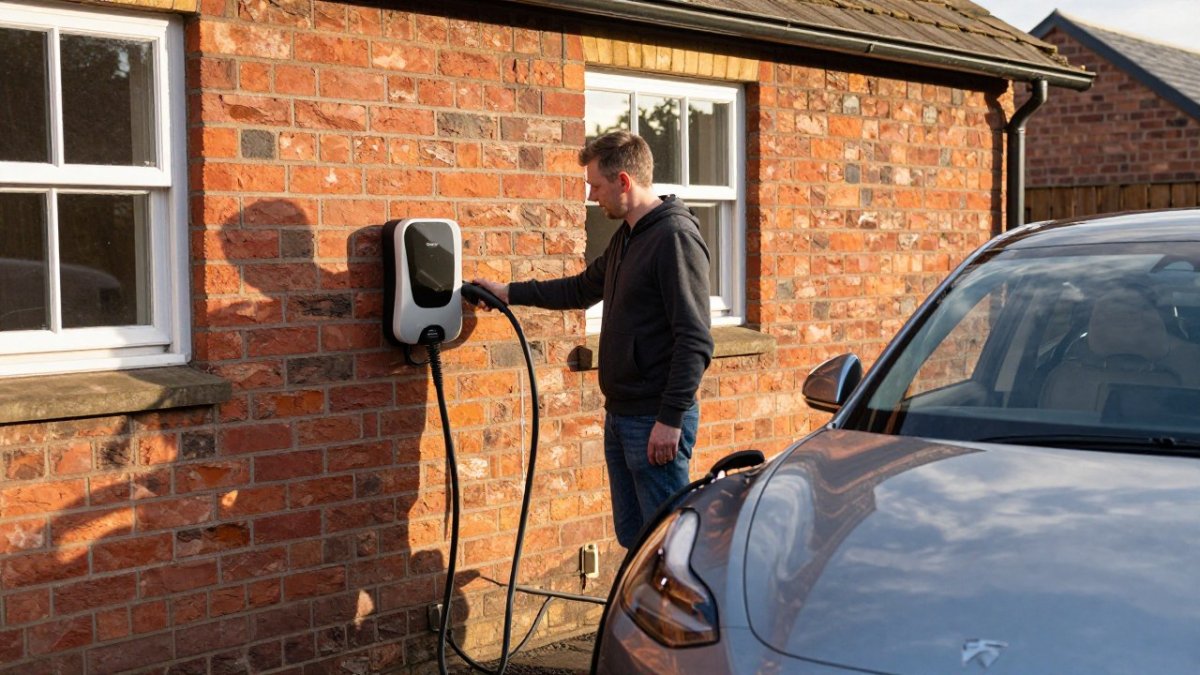
Installing a dedicated home charger lets you charge slowly and predictably, which is the gentlest routine for the battery. Before installation, your home electrical supply and the distribution network operator (DNO) may need to approve the connection (Connecting electric vehicle chargepoints to the electricity network). how to apply for DNO approval for residential EV charging
Not every home is ready for a charger without some checks. Confirm the wiring and consumer unit can handle the extra load before ordering hardware. how to check if home wiring supports an EV charger
Once you are ready to act, a professional installation keeps the setup safe and efficient. book a charger installation
Frequently Asked Questions
Does rapid charging ruin an EV battery? No. Occasional rapid charging is unlikely to cause serious harm, but frequent fast charging, especially when the battery is hot or cold, adds gradual stress over time.
Is home charging better for the battery? Generally yes. Slower AC charging at home produces less heat and places fewer demands on the pack than repeated DC rapid sessions.
Should I always charge to 100%? Usually not. Keeping the battery between about 20% and 80% for everyday driving reduces time at high voltage, and a full charge is best saved for long journeys.
Yorks EV supplies and installs domestic EV chargers across Yorkshire, giving owners a dependable way to charge at home. home EV charging benefits
Frequently Asked Questions
How often should I use a rapid charger for my EV?
Occasional rapid charging on long journeys is widely considered safe for most modern electric vehicles, because the battery management system limits current as the battery fills and manages temperature. Problems tend to arise when rapid charging becomes the default habit, especially in hot weather or when the battery is repeatedly pushed to full capacity at high power. Using a home charger for everyday top-ups and reserving rapid sessions for longer trips is a sensible balance. Check your vehicle manufacturer's guidance, as recommendations vary between models.

Does rapid charging cause permanent battery degradation?
All lithium-ion batteries lose capacity gradually with age and use, and rapid charging can contribute to this, particularly through heat and high state of charge. However, the effect is usually modest for typical driving patterns, and most modern EVs are designed to manage it. The greater influences are typically ambient temperature and how often the battery is held at very high or very low states of charge. Keeping charging habits moderate helps slow long-term degradation.
Is it better to charge to 100% or keep it lower for battery health?
For everyday use, many manufacturers recommend charging to around 80% and only charging to 100% when you need the full range for a trip. Keeping the battery at a high state of charge for long periods can accelerate ageing, while very low levels also place stress on cells. Some vehicles offer a charge limit setting that makes this easy to manage. Check your owner's manual, as the recommended figure differs between makes and battery chemistries such as LFP and NMC.
How can I extend the lifespan of my electric vehicle battery?
Park in shade or a garage where possible to limit heat exposure, use pre-conditioning before fast charging, and avoid leaving the car at full charge or near empty for long periods. Choose home charging for routine top-ups, as slower charging generates less heat. Driving smoothly and keeping tyres correctly inflated also reduces the energy demanded from the battery. Following these habits consistently tends to make a noticeable difference over many years of ownership.
Yorks Ev can help you move your charging to home so you spend less on public networks and treat your battery more gently. Get in touch for a quote and a clear plan for installing a charger in your home.

Comments